This article delves into the importance of hormonal balance for optimal health, covering the ways imbalances can affect energy, mood, and metabolism. Learn practical lifestyle changes to support hormone regulation, including nutrition, stress management, and natural supplements. Discover how BioLimitless products, such as the DNA Discovery Kit, can provide personalized insights into your hormonal health, helping you restore balance naturally.
Hormones are the body’s chemical messengers, responsible for regulating a wide range of processes, from metabolism and energy production to mood and sleep cycles. When hormones are balanced, your body functions smoothly, and you feel energized, focused, and well. But when they fall out of balance, it can lead to a host of issues, including fatigue, weight gain, mood swings, and disrupted sleep.
In today’s fast-paced world, hormonal imbalances have become increasingly common. Stress, poor diet, lack of sleep, and exposure to environmental toxins can all disrupt your hormones, leading to long-term health challenges. In this article, we’ll explore the role hormones play in your overall well-being, the signs of hormonal imbalance, and how you can restore balance naturally through lifestyle changes and supplementation. We’ll also examine how BioLimitless products like the DNA Discovery Kit can provide insights into your hormonal health and help you take a personalized approach to balance your body’s systems.
What are Hormones and Why Are They Important?
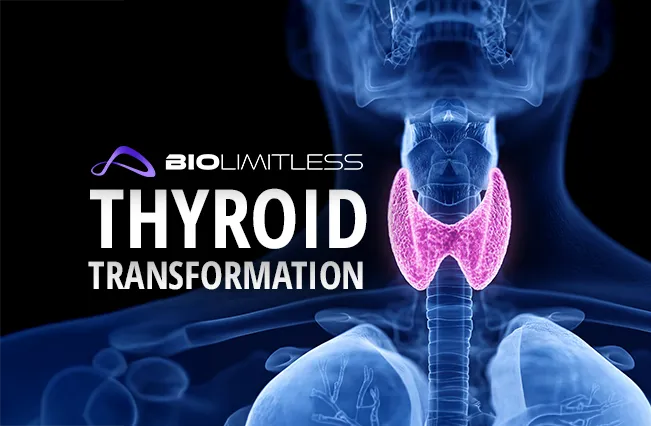
Hormones are chemical substances produced by various glands in your body’s endocrine system. These hormones travel through your bloodstream and regulate critical processes such as metabolism, growth, reproduction, and mood. Key hormones include:
When these hormones are in balance, your body operates optimally. However, even small disruptions in hormonal balance can trigger significant health issues.
Signs of Hormonal Imbalance
Hormonal imbalances can manifest in many different ways, depending on which hormones are affected. Some common signs include:
1. Fatigue and Low Energy Levels
One of the most common signs of a hormonal imbalance is constant fatigue. Low levels of thyroid hormones or elevated cortisol can leave you feeling drained, even after a full night’s sleep.
2. Weight Gain or Difficulty Losing Weight
Unexplained weight gain or trouble losing weight is another indicator that your hormones may be out of balance. Hormones like insulin and thyroid hormones play a critical role in metabolism, and when they aren’t functioning properly, weight management becomes difficult.
3. Mood Swings and Anxiety
Fluctuating estrogen and progesterone levels, particularly during menstruation or menopause, can lead to mood swings, irritability, and anxiety. High cortisol levels from chronic stress can also contribute to mental health challenges.
4. Sleep Issues
If you’re struggling with insomnia or restless sleep, a hormonal imbalance may be to blame. Melatonin regulates your sleep-wake cycle, while high cortisol levels at night can prevent you from winding down.
5. Skin Issues
Hormonal imbalances can manifest in your skin, leading to issues like acne, dryness, or excess oil production. This is often seen with imbalances in estrogen, progesterone, and testosterone.
Restoring Hormonal Balance Naturally
While hormonal imbalances are common, the good news is that there are many ways to restore balance naturally. Here are some practical steps to help you support your body’s endocrine system:
1. Eat a Hormone-Balancing Diet
What you eat has a profound impact on your hormonal health. A nutrient-dense, whole-food diet can help regulate hormone production and reduce inflammation. Here are some key nutritional strategies for balancing your hormones:
Prioritize Healthy Fats: Hormones are made from fat, so it’s essential to include enough healthy fats in your diet. Sources like avocados, olive oil, and fatty fish provide the building blocks your body needs to produce hormones.
Increase Fiber Intake: Fiber helps regulate insulin levels by slowing down the absorption of sugar into the bloodstream. Aim to include fiber-rich foods like fruits, vegetables, and whole grains in your diet.
Limit Sugar and Processed Foods: Excess sugar and processed foods can lead to insulin resistance, which throws off your hormone balance. Reducing your intake of these foods can support healthier hormone levels.
Incorporate Adaptogens: Adaptogenic herbs like ashwagandha and maca root can help balance cortisol and improve your body’s stress response.
2. Manage Stress
Chronic stress is one of the biggest contributors to hormonal imbalances, particularly in relation to cortisol levels. Incorporating stress management techniques can significantly improve your hormone regulation. Some effective strategies include:
Meditation and Mindfulness: Regular meditation can lower cortisol levels, reduce stress, and promote hormonal balance.
Exercise: Moderate exercise, like walking, yoga, or strength training, helps balance hormones, improve mood, and support metabolism.
Get Outdoors: Exposure to natural sunlight can help regulate melatonin and cortisol levels, improving your sleep and stress response.
3. Get Quality Sleep
Your body repairs and regenerates itself during sleep, and your hormones play a crucial role in this process. Prioritizing sleep is essential for maintaining hormonal balance. Here are some tips to improve your sleep quality:
Stick to a Consistent Schedule: Going to bed and waking up at the same time every day helps regulate melatonin production.
Create a Relaxing Bedtime Routine: Activities like reading, taking a warm bath, or practicing deep breathing can signal to your body that it’s time to wind down.
Limit Blue Light Exposure: Blue light from screens can interfere with melatonin production. Avoid electronics at least an hour before bed.
4. Supplement Wisely
Certain supplements can support your body in restoring hormonal balance. Here are some that are particularly helpful:
Magnesium: This essential mineral supports cortisol regulation and can improve sleep quality.
Omega-3 Fatty Acids: Found in fish oil, omega-3s help reduce inflammation and support hormone production.
Vitamin D: Low levels of vitamin D are linked to hormonal imbalances, particularly in relation to thyroid function and mood regulation.
How BioLimitless Products Can Help
At BioLimitless, we believe in addressing the root causes of hormonal imbalances with personalized health solutions. Our DNA Discovery Kit can provide insights into how your genetic makeup affects your hormonal health, helping you understand your unique predispositions and take proactive steps to balance your body. Additionally, our range of supplements, including adaptogens and essential nutrients, are designed to support your body’s natural hormone regulation.
The Bottom Line
Achieving hormonal balance is essential for optimal health and well-being. Whether you’re dealing with fatigue, weight gain, or mood swings, understanding the role hormones play in your body can help you take control of your health. By making targeted lifestyle changes and using BioLimitless products to support your body’s natural processes, you can restore hormonal balance and enjoy improved energy, mood, and overall vitality.